

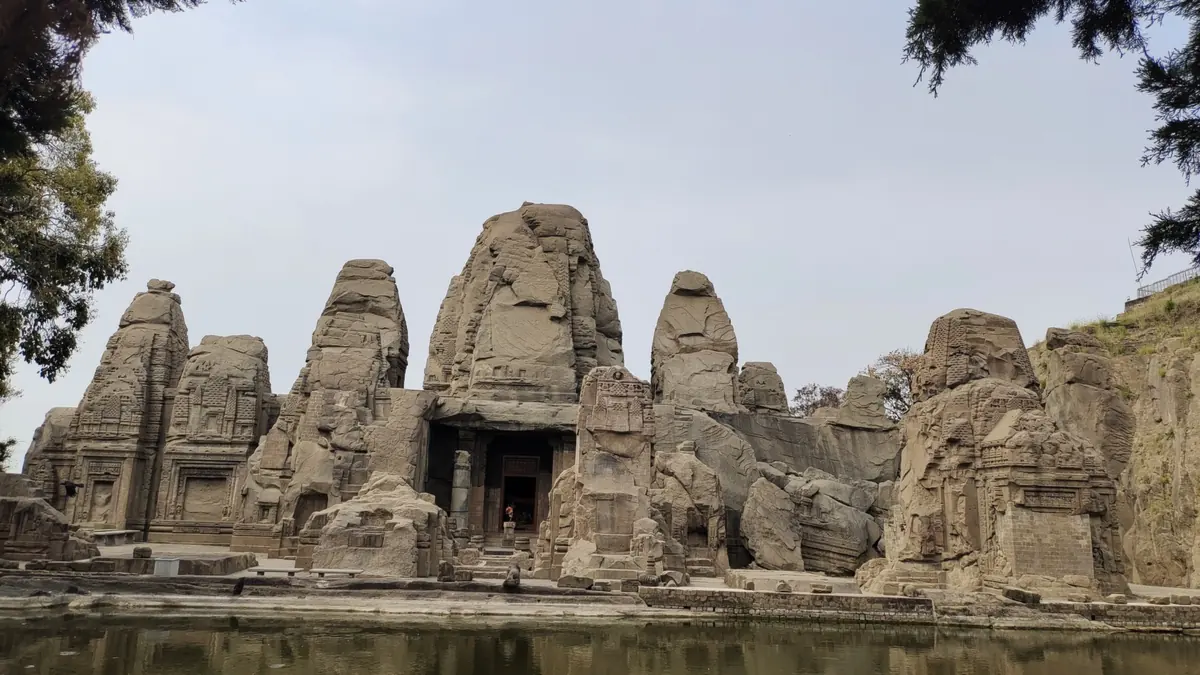
This Dharamshala itinerary covers two days in the Kangra Valley: Tibetan art at Norbulingka, a hilltop Shakti temple amid tea gardens, an 8th-century temple carved from a single rock, and one of India’s oldest forts.
While McLeodganj sits up the hill with its monasteries (see our McLeodganj itinerary), Dharamshala and the valley below hold the region’s deeper history, from Katoch kings to Mughal sieges and British garrisons.
If you have a weekend, this 2-day Dharamshala itinerary covers the highlights at a practical pace, with timings, food stops and shopping tips from our own trip.
Explore more destinations across India in our Discover India page.
Dharamshala Itinerary: Plan Your Trip
Trip Snapshot
- Dharamshala, Himachal Pradesh
- March - June, Sept - Nov
- 2 days
- 3000 - 8000/day
- Kangra (Gaggal) Airport
Top Places
- Norbulingka Institute
- Tea Gardens & Kunal Pathri
- Kangra Mountain View Point
- Masroor Rock-Cut Temple
- Kangra Fort
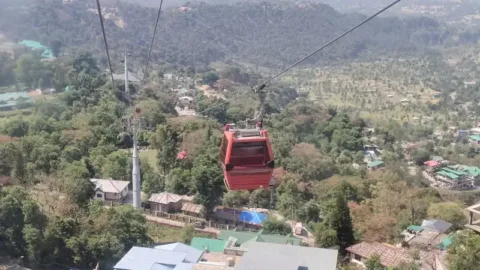
- Skyway Ropeway
Food Essentials
- Himachali Thali
- Madra
- Siddu
- Kangra Tea
- Dhaba Meals
Things to Do & Shop
- Norbulingka Workshops
- Norbulingka Shop
- Losel Doll Museum
- Kangra Fort Walk
- Kangra Tea
Why Add Dharamshala to Your Itinerary?
Dharamshala sits in the Kangra district of Himachal Pradesh, at the foot of the snow-capped Dhauladhar range. The town is split into Lower Dharamshala, with Kotwali Bazaar and the ropeway station, and the upper hill towards McLeodganj. Beyond its Tibetan connection, the wider Kangra Valley is rich in temples, tea estates and the legacy of the Katoch rulers, making it an easy and rewarding weekend getaway.
How to Reach Dharamshala
- Kangra (Gaggal) Airport – about 13–15 km
- Pathankot – nearest major railhead, about 85 km
- Overnight Volvo buses from Delhi and Chandigarh
- By road from Amritsar – about 200 km, 5 hours
From McLeodganj, the Skyway ropeway drops you at Dharamshala in about five minutes, a short walk from Kotwali Bazaar.
Best Time to Visit Dharamshala
- March to June: pleasant days, perfect for sightseeing
- September to November: clear skies and crisp Dhauladhar views
- December to February: cold, with snow on the peaks
Monsoon (July–August) brings heavy rain to Dharamshala. We visited in mid-April, with warm afternoons and hazy valley views.
Quick Dharamshala Itinerary Guide
Getting Around
- Book a full-day taxi for day two: Kunal Pathri, Masroor and Kangra Fort are spread across the valley.
- Use the Skyway ropeway to move between McLeodganj and Dharamshala.
Things to Know
- Masroor is about 45 km from Dharamshala, so start early.
- Norbulingka can be closed on Sundays and Tibetan holidays; check before you go.
- Wear comfortable shoes; Kangra Fort involves a steady climb through its gates.
Practical Tips
- Do the Masroor and Kangra Fort loop together; they are about an hour apart.
- Keep half a day for Norbulingka, including its workshops and shop.
- Carry cash for temple offerings, entry tickets and small eateries.
Local Travel & Tours
- Book Skyway ropeway tickets on the official Skyway website.
Where to Stay
- Stay in Dharamshala or McLeodganj for easy access to both towns.
- Resorts like Norbu The Montanna offer quiet stays with valley views.
Culture & Vibe
Dharamshala blends two worlds. Tibetan artisans paint thangkas and carve wood at Norbulingka, while village temples ring with Himachali bhajans. Tea bushes roll down the slopes, and old stone forts watch over the valley.
It’s a place where history, faith and craft sit comfortably side by side.
Dharamshala Itinerary: Top Places to Visit
In this Dharamshala itinerary, these are the top places to visit, from Tibetan art to ancient stone temples.
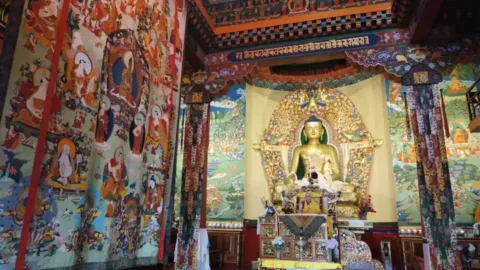
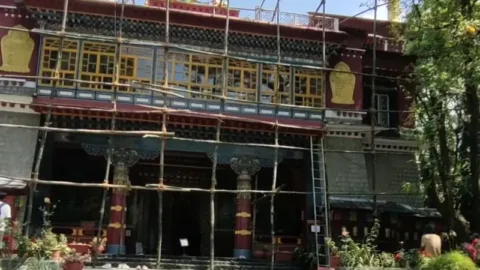
Norbulingka Institute
A centre for Tibetan art with a gilded Buddha temple, craft workshops and a superb shop.
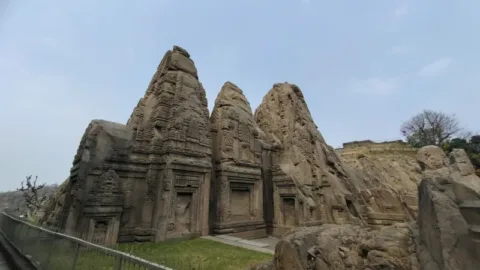
Masroor Rock-Cut Temple
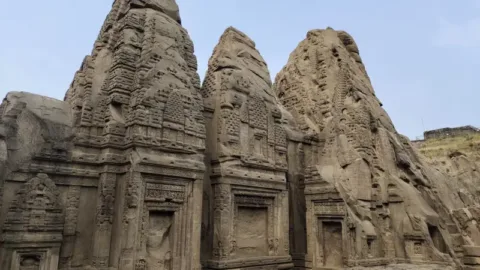
An 8th-century temple carved from a single rock, mirrored in its sacred tank.
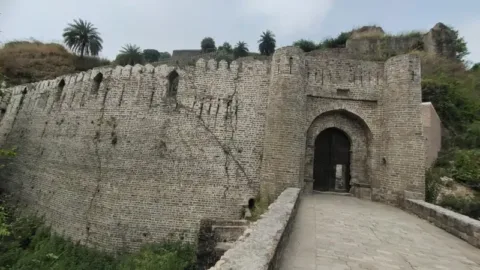
Kangra Fort
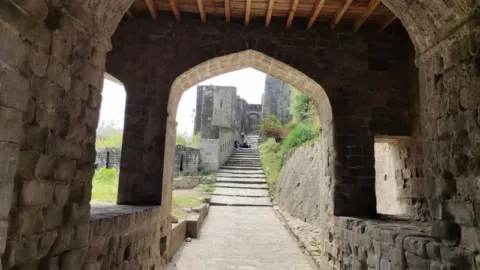
One of India’s oldest forts, built by the Katoch dynasty above two rivers.
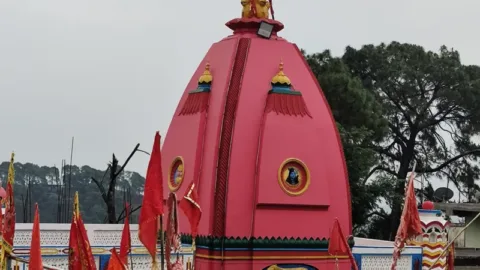
Kunal Pathri Temple
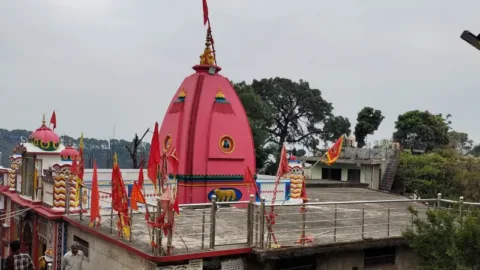
A Shakti Peetha amid tea gardens, about 3 km from Kotwali Bazaar.
Also Visit
Dharamshala tea gardens around Kunal Pathri and the Mann Tea Estate, where Kangra tea has grown since the mid-19th century.
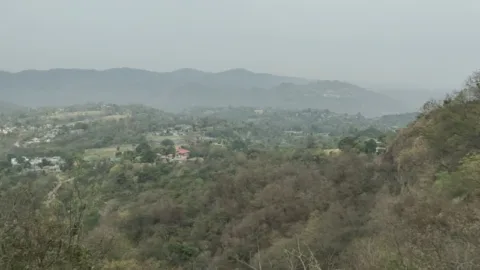
Kangra Mountain View Point on the way to Masroor, for wide views over the valley.
Learn more about the region on Masrur Temples. With extra time, add the Kangra Art Museum and the War Memorial in Dharamshala.
Explore more iconic landmarks and city guides in our Popular Destinations section
Dharamshala Itinerary: What to Eat
Food on this Dharamshala itinerary is simple and hearty: Himachali home-style thalis, dhaba meals on the road and a relaxed dinner to end the day.
Must-Try Dishes
- Himachali thali with madra and rajma
- Siddu with ghee
- Kangra tea
Where to Eat on Your Dharamshala Itinerary
- Vinod’s Rasoi – Himachali food with valley views, walkable from the ropeway station
- Vaishno Dhaba – lunch after Kangra Fort
- Norbu The Montanna – dinner
Dharamshala Itinerary: Spiritual Experiences & Traditional Shopping
Spiritual Experiences & Living Heritage
Norbulingka Institute
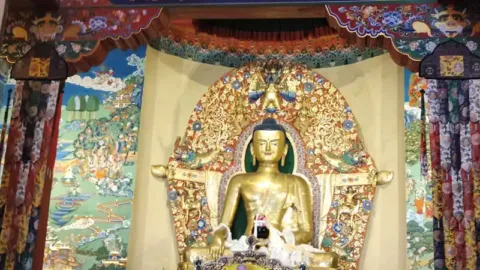
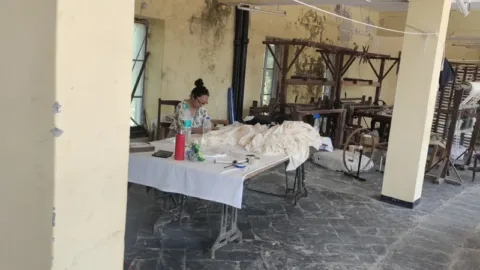
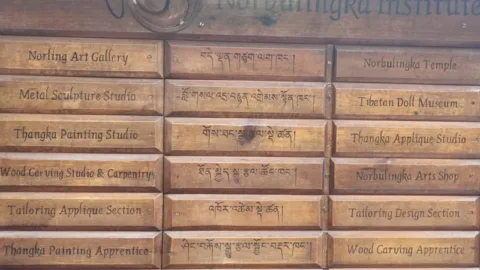
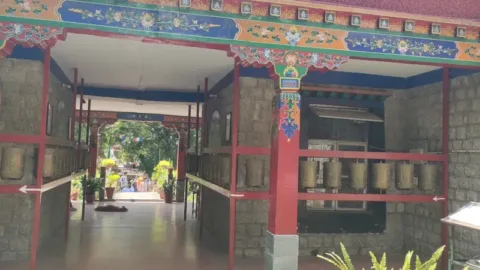
Founded in 1995 by Kelsang and Kim Yeshi, Norbulingka preserves Tibetan art and culture. It is named after the Dalai Lama’s summer palace in Lhasa, and its gardens are laid out in the proportions of Avalokiteshvara. The Deden Tsuglakhang temple holds a 4-metre gilded Buddha and over 1,100 painted Buddha murals. Walk through the workshops to watch thangka painters, woodcarvers, statue makers and weavers at work, then visit the Losel Doll Museum.
Masroor Rock-Cut Temple
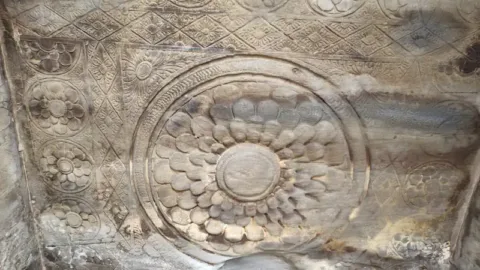
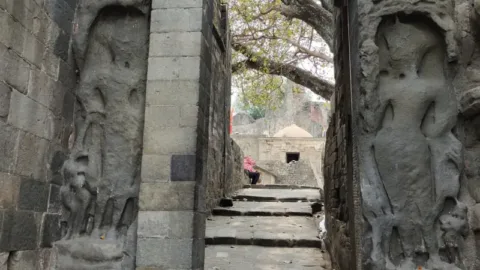
Carved from a single sandstone ridge in the 8th century, Masroor is a rare Nagara-style rock-cut temple, often called the ‘Himalayan Ellora’. A cluster of shikharas surrounds the main shrine, dedicated mainly to Shiva, with Ram, Lakshman and Sita now worshipped inside. The 1905 Kangra earthquake damaged parts of it, yet the temple still stands, perfectly mirrored in its sacred tank.
Kangra Fort
Built by the Katoch dynasty, Kangra Fort is among the oldest forts in India, perched between the Manjhi and Banganga rivers. Mahmud of Ghazni raided it in 1009, Jahangir captured it in 1620, and Maharaja Ranjit Singh took it in 1809 before the British garrisoned it in 1846. Walk through the Ranjit Singh, Amiri, Jahangiri and Darsani gates, past carved Ganga and Yamuna figures, to the Ambika Devi and Jain temples at the top.
Kunal Pathri Temple
A Shakti Peetha dedicated to Goddess Kapaleshwari (Kalpeshwari), surrounded by tea gardens. Locals believe a stone inside always stays wet, and that rain follows if it ever dries.
Traditional Shopping
Norbulingka Shop
This is the highlight for shoppers. Everything is made by artisans on campus, so quality is exceptional. Prices are higher than market stalls, but you are buying authentic, fair-trade craft.
- Hand-painted thangkas
- Gilded copper Buddha statues
- Carved and painted wooden furniture and boxes
- Silk appliqué thangkas, cushions and scarves
- Tibetan-style clothing and home décor
More Places to Shop
- Kotwali Bazaar – woollens, spices and local produce
- Dharamshala Tea Company (Mann Tea Estate) – Kangra green and black tea
- Kangra miniature painting prints and Chamba rumal
- Tibetan market in McLeodganj – singing bowls and prayer flags (see our McLeodganj guide)
Even a short browse at Norbulingka shows how much patience goes into every piece.
Dharamshala Itinerary: 2-Day Plan
Day 1: Take the Skyway ropeway down to Dharamshala and walk to Vinod’s Rasoi for a Himachali lunch with valley views. In the afternoon, drive about 8 km to Norbulingka Institute in Sidhpur; it takes almost half a day to see the temple, workshops, doll museum and shop.
Day 2: Start at 8 am with the tea gardens and Kunal Pathri Temple. Stop at Kangra Mountain View Point, then drive to Masroor Rock-Cut Temple (about 45 km, 1.5 hours) and arrive by 10 am. Continue about an hour to Kangra Fort, then have lunch at Vaishno Dhaba. Return to Dharamshala (about 20 km) by mid-afternoon, rest, and end with dinner at Norbu The Montanna.
Looking for short trips? Explore curated Getaways across India including beaches, forests, and heritage stays.
Dharamshala Itinerary: Travel Tips
- Book a full-day taxi for day two
- Start early for Masroor
- Carry water and a cap at Kangra Fort
- Check Norbulingka’s opening days
- Keep cash for entry tickets
Planned well, two days here feel unhurried and full.
Beyond its sights, what stays with you is the craft and the continuity: artisans keeping Tibetan art alive, and stone temples standing for over 1,200 years. This Dharamshala itinerary only begins to capture it.
The stories behind India’s food culture add another layer to every journey, something we explore further in our Culinary Chronicles.
Continuing your Punjab and Himachal trip? Read our Amritsar travel guide, Dalhousie itinerary and McLeodganj itinerary.
Dharamshala Itinerary FAQs
Here are some frequently asked questions about this Dharamshala itinerary.
Is 2 days enough for Dharamshala?
Yes. Two days cover Norbulingka on day one, and the tea gardens, Kunal Pathri, Masroor Rock-Cut Temple and Kangra Fort on day two.
What is Dharamshala famous for?
Dharamshala is famous for its Tibetan connection, Norbulingka Institute, Kangra tea gardens, the Dhauladhar range and nearby heritage sites like Kangra Fort and Masroor.
How far is Masroor Rock-Cut Temple from Dharamshala?
Masroor is about 45 km from Dharamshala, roughly a 1.5-hour drive, and about an hour from Kangra Fort.
What can you buy at Norbulingka?
The Norbulingka shop sells artisan-made thangkas, gilded statues, carved wooden furniture, silk appliqué items, cushions, scarves and clothing.
How old is Kangra Fort?
Kangra Fort was built by the Katoch dynasty and is among the oldest forts in India, with records of a raid by Mahmud of Ghazni in 1009.
Discover more from CookingTantra
Subscribe to get the latest posts sent to your email.